Picture
In recent weeks I've shown my Finnish heritage  in photos and memoirs, and although I haven't spoken of my husband's ancestry, I've shown items belonging to his namesake, Uncle Nelson.

This week I want to show a shared passion - photography. If you've followed any of my blogs, you know I'm never without a camera and take pictures of everything. What I didn't realize when I started posting my family history was that my grandfather, known as Pappa, was a professional photographer before he left Finland. Couple that with the knowledge that my mother started taking pictures as a teenager, and you see where my love for the hobby comes from.

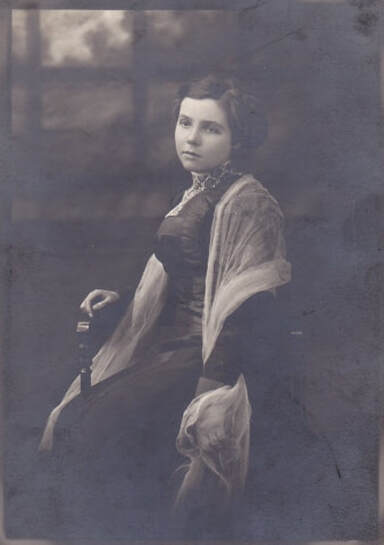
Although I'd love to claim this early 1900's photo as one from my family history, I'm actually using it with permission from the collection of  www.kodakgirl.com.

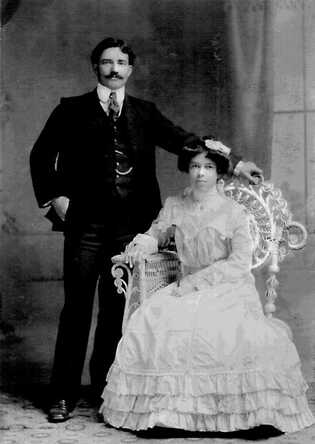
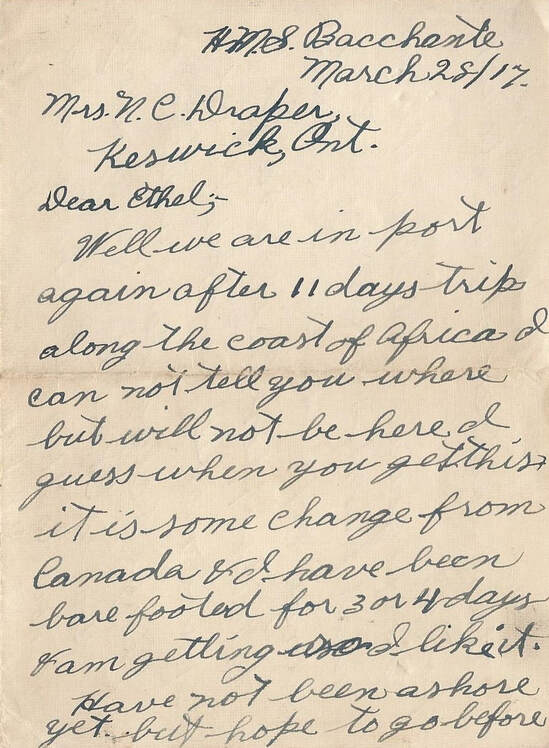
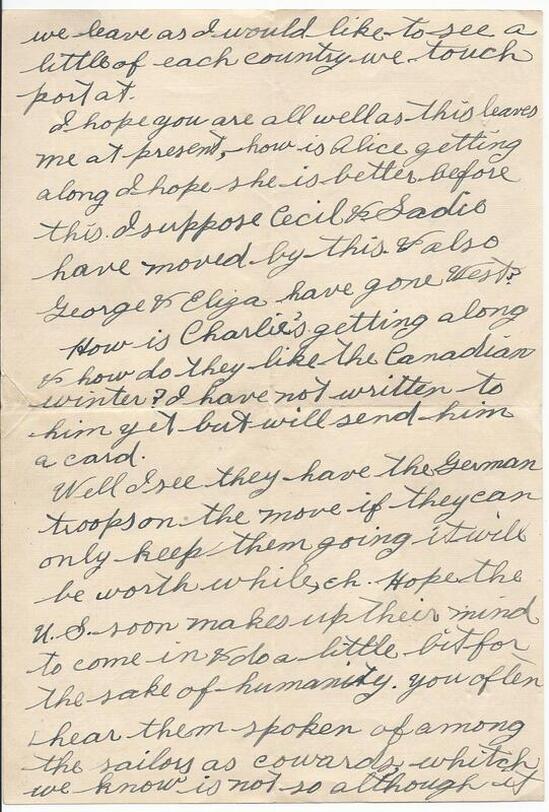
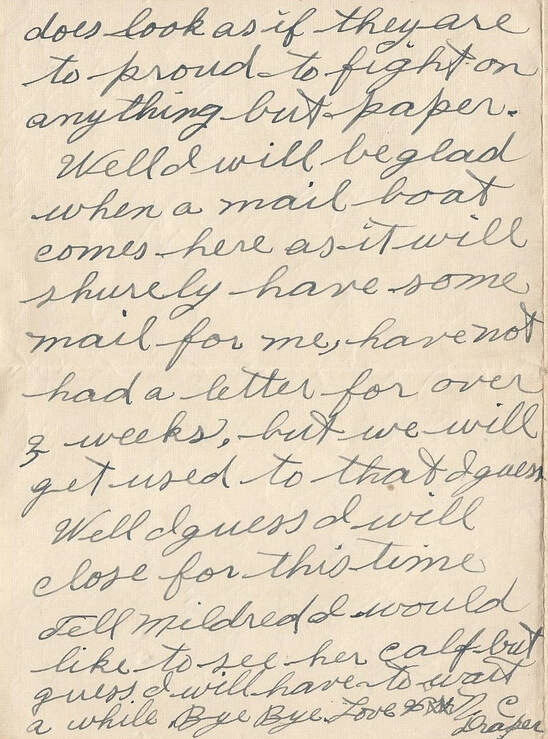
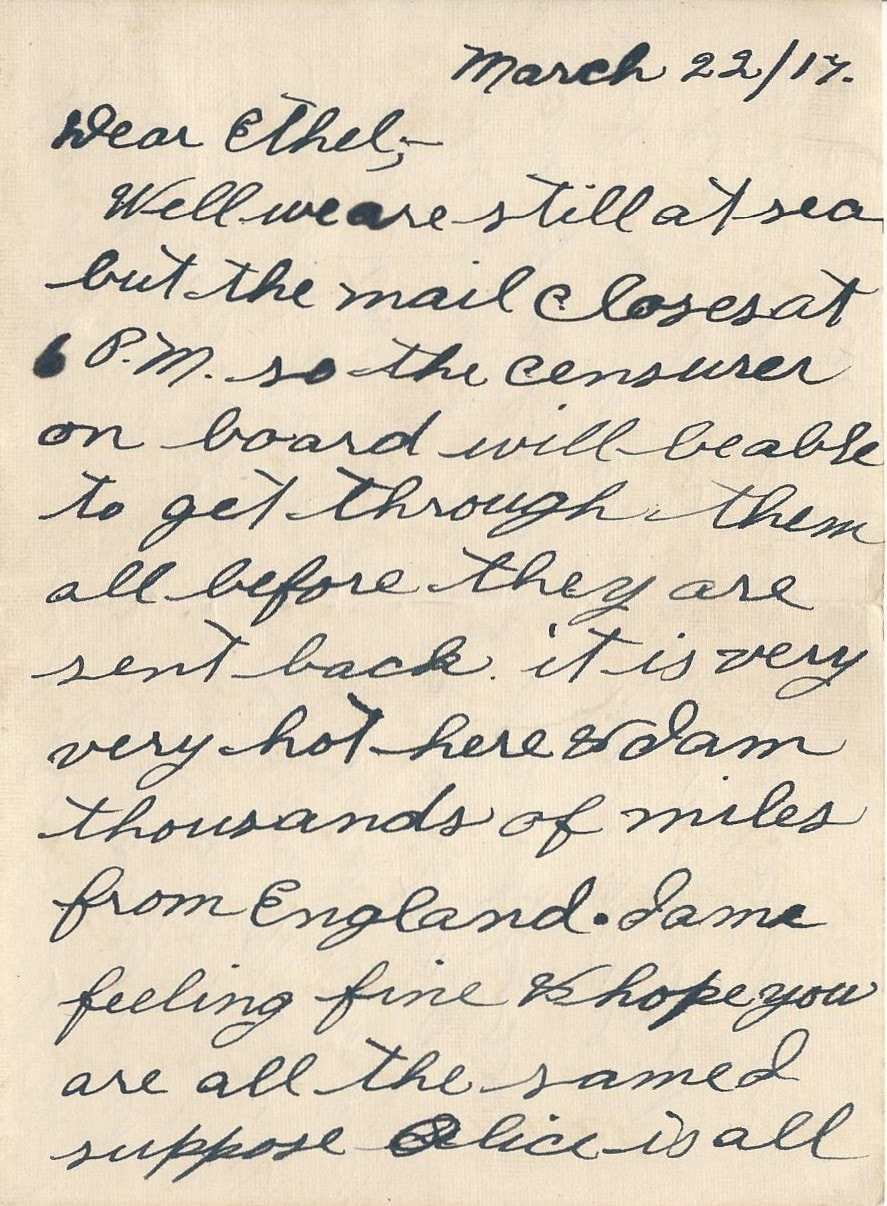
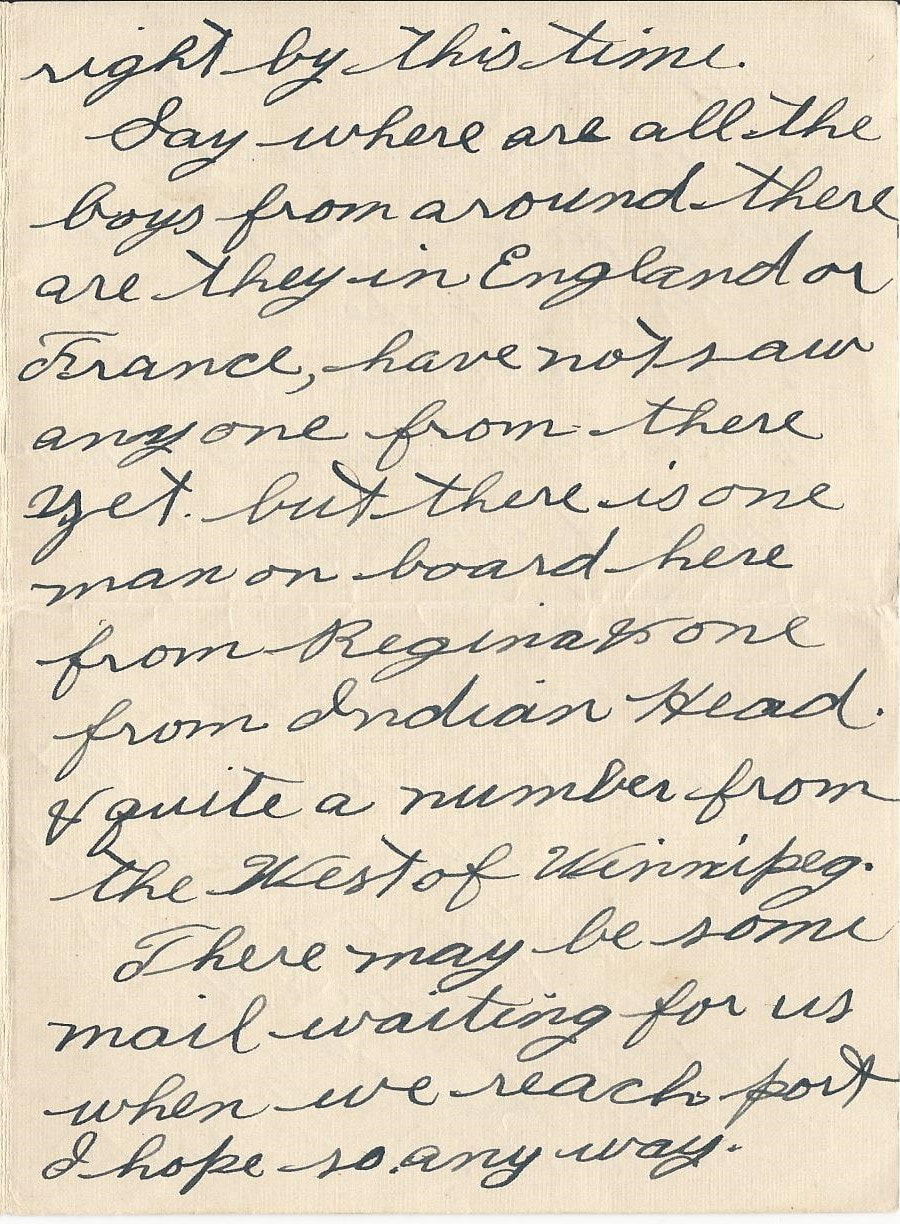
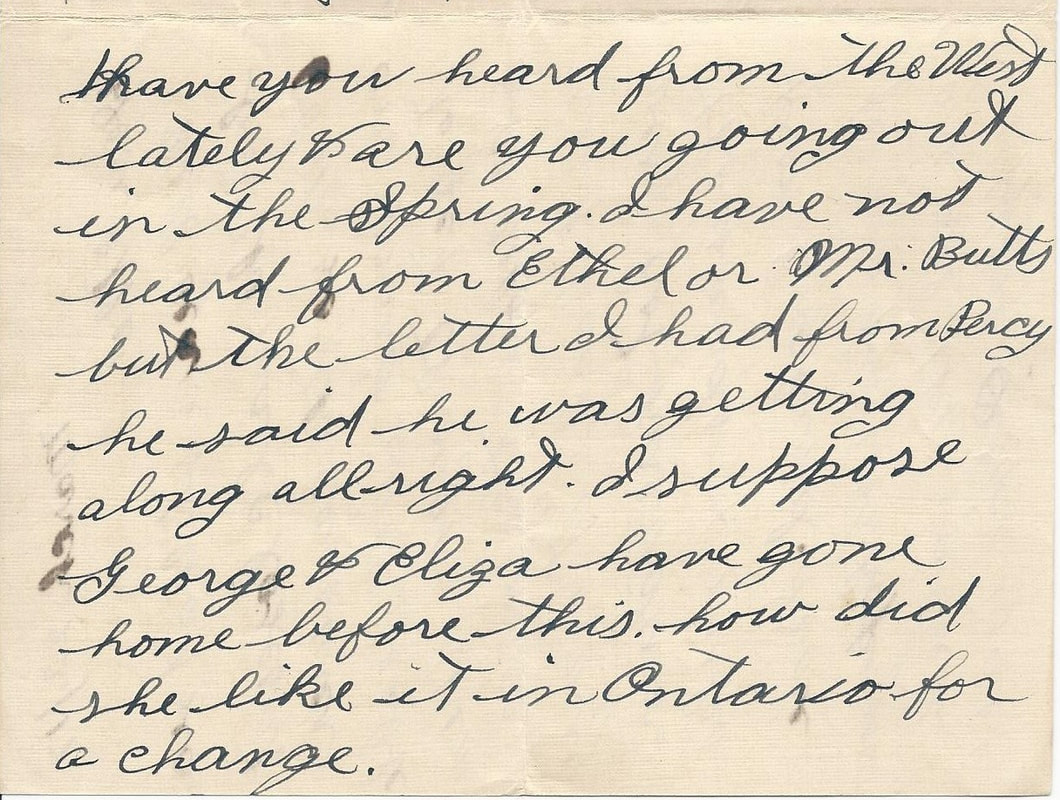
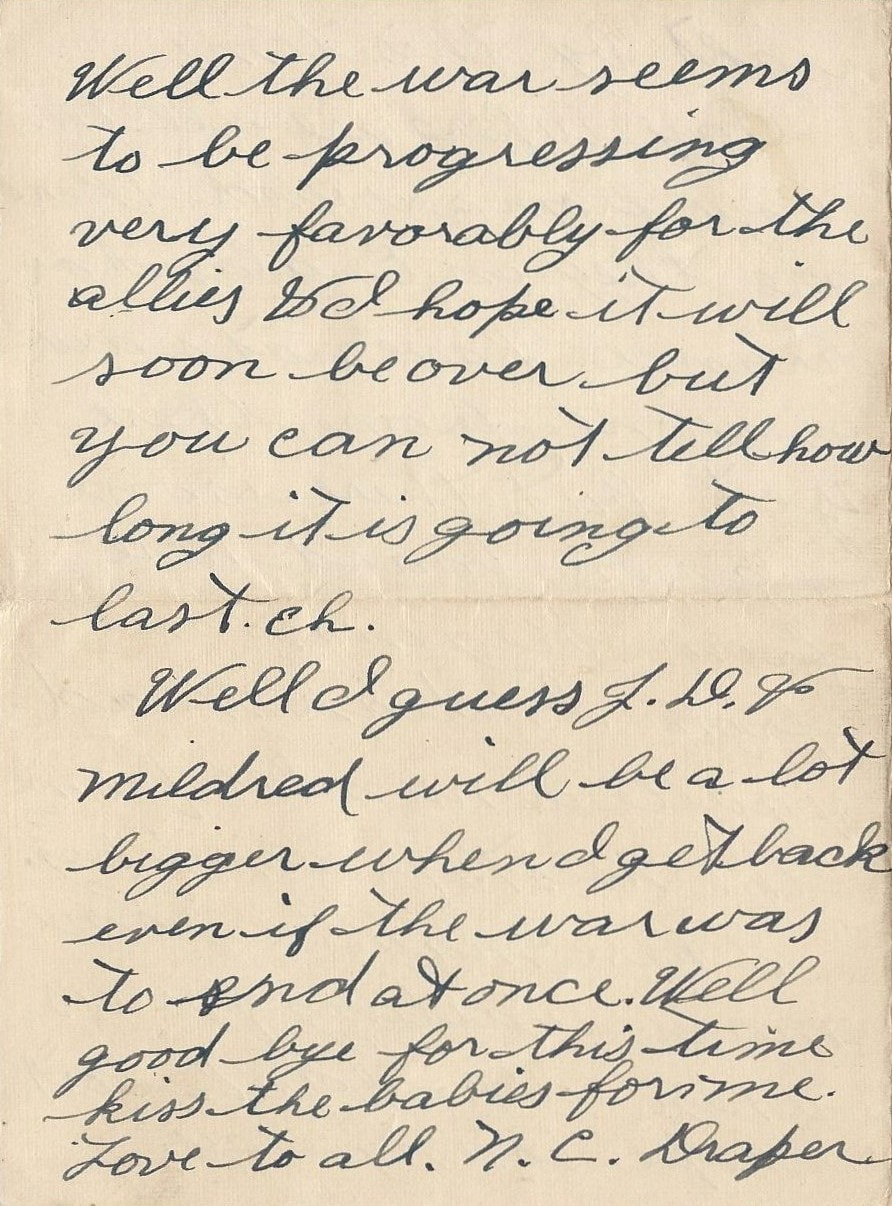
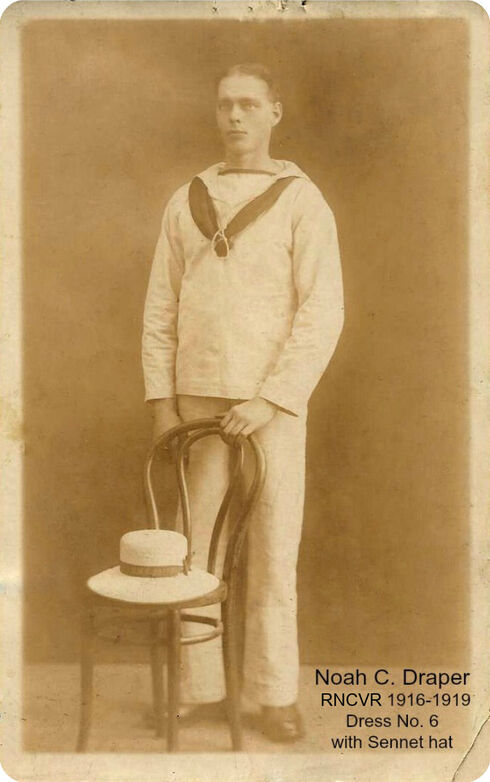
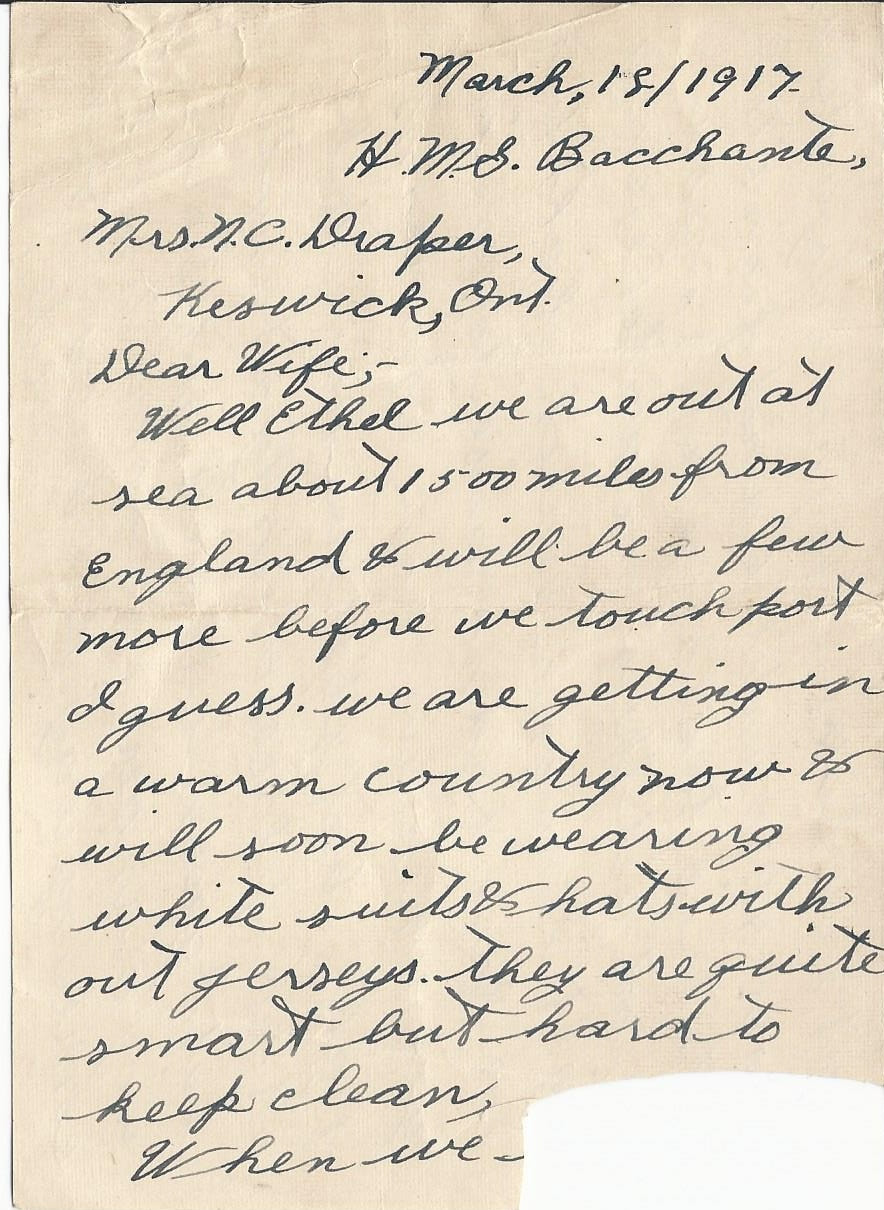
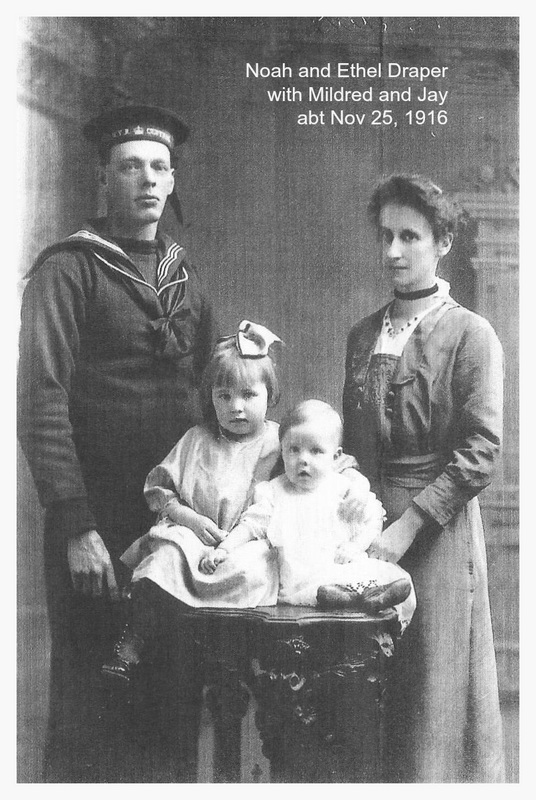
See the camera the girl is holding? It's a Kodak 3A Pocket Camera. And that's the one that brings Nelson's family history in line with mine since he's the one with that particular model. His father, Wayne Draper, passed it on down from his father, Noah Draper. Nelson also received a box of letters written by his grandfather, Noah Draper, to Ethel Nelson, the woman he would later marry. The letters and photos start in 1911 and carry through WW1. I'll be featuring them in a future blogpost.  For today, I'll start with some photos of the camera.

Picture
1911 Kodak 3A Pocket Camera
Picture
1911 Kodak 3A Pocket Camera
Picture
1911 Kodak 3A Pocket Camera
A bit of history on Kodak... In 1888, Kodak was the first company to mass produce a camera. Called, the Kodak Camera, it came loaded with enough film for 100 pictures and claimed that anyone could use it without instructions.
To prove their point, Kodak began an ad compaign using women which would continue for decades. Called Kodak girls, the ads featured women in normal walks of life using cameras. What I dislike about the ad campaign is that it shows the women of that era as being so simple-minded even they can use the camera.
Picture
1888, The 1st Kodak camera and Kitty Cramer, the 1st Kodak Girl
What I found fascinating about these ads is that it features active women doing things outside the home. They're always on the go, taking photos of all kinds of interesting people and things.

Picture
A Kodak Girl on the go carrying a Folding Pocket Kodak camera.
In the above ad, the Kodak girl is carrying a folding pocket camera similar to the Model 3A that Nelson received. I think she looks great!

And here's a fun bit of research...

1890 Kodak Factory

Picture
Kodak factory at Harrow, 1890s
Kodak’s Harrow factory was in use from 1891 for emulsion-making,
paper-coating and for the processing and printing of customers’ films. In this view, taken soon after its opening, female employees are seen printing negatives by sunlight in the upper gallery of Building 1. 

The egg-white needed to coat albumen paper for contact printing was supplied by a flock of a hundred chickens kept on the site.

Gelatin silver print (printed later)

Image and text supplied by the British Library Online Gallery 

Considering that Kodak has been in the news lately because of it's financial woes, I found it bittersweet to research their successful early stategies which benefited so many people. I wish they had been able to continue. And I thank George Eastman for making his vision a reality for the common person.

Do you have a camera? What was your first one and what kind do you have now?

~~~~~~~~~~~~~~~~~~~~~~~~~~~~~~~~~~~~~~~~~~~~~~~~~~
GIVEAWAY 
Winner's Choice!
Leave a comment with a
valid email address by midnight, May 27th
to be entered in a draw for a book
from my giveaway pile.
If you're the winner, I'll email you the list and you can pick.

The pile contains an assortment of books including
inspirationals, mainstream,
autobiographies, self-help, devotionals and children's books, all new.

And maybe even a Dean Koontz novel, What the Night Knows, if it's still available.

May 23 UPDATE
The children's books are all gone, but the Dean Koontz novel is still available.


Winner beware!
The fiction books are a mix of inspirational and mainstream and
may contain scenes offensive to some people - which is why I don't want to keep them.
But I'm just guessing because I haven't read them.


~~~~~~~~~~~~~~~~~~~~~~~~~~~~~~~~~~~~~~~~~~~~~~~~~~


Cat, Dog or Pony?

Picture
What's your history with pets?

This early 50's photo of Uncle Paul, my mom's brother, gave me the idea for a post on pets - those animals we've loved and shared our homes with.

Although I don't know the names of Uncle Paul's cat and dog, they look similar to ones I've shared companionship with in the photos below of my childhood.

This photo reminds me of the dog Mamma and Pappa had during my visits with them. They called him Koira (with a rolled 'r'). I thought it was a beautiful name until Mamma said Koira is really the word 'dog' in the Finn language. 

Another photo of Paul when he was even younger, is the one below where he's standing with Valentine, a milk calf, who was only a couple days old.

Picture
Young Paul with Valentine who was a couple days old when this was taken.
Back in the late '60s we lived in Port Arthur, Ontario (now Thunder Bay) at the head of Lake Superior. The summer before I turned 12 we moved to a farm 7 miles out and that's where the following photos were taken.

When we lived in town, Dad had bought us mini-bike, but we weren't allowed to drive it. Within a few weeks of moving to the farm, he'd traded the mini-bike to the neighbours for a pony.
Picture
Anita Mae, 12 yrs old
Flicka was a Shetland pony and because Dad brought her home the day before my 12th birthday, I always - secretly - considered her my horse. It was just as well because none of the other kids wanted to ride or take care of her. It was possible they didn't want to put up with her antics.

When I look at the above photo now, I see that I was kind of big for her, but at the time she seemed the perfect size.  Except for her width. Shetlands are known for their wide bellies, which is why many people buy the narrower Welsh ponies for their kids. Sheltlands are also known for their...ah... not-so-nice dispostion. This proved true when Flicka put up such a fuss whenever I tried to give her the bit and then saddle her. I can't tell you how many times she nearly stepped on my toes while I was trying to tighten up the cinch. And that was another thing -  I never could get the cinch tight enough because she extended her belly and then seemed to suck it in later when I was bouncing around on her back.  Flicka never ran, she trotted everywhere and I'm sure I looked like a sack of potatoes up there. She almost lost me and the saddle a few times. But what I really didn't like was when she turned her head to snap at my knees without warning.

All things considered though, I had a horse and wasn't about to complain about it.

Picture
Buttons in front with Peter 4, Bonnie 14, and Anita Mae 12,
The cat in this photo is Buttons. I remember someone handing Buttons to me on one of our moving trips to the farm. I was told to put a towel over her head so that she couldn't see where we were taking her or she'd try to make her way back home.

Buttons was a short-haired domestic with a nice disposition. Although I'm not a cat person, I didn't mind when Buttons jumped on my lap and cuddled while I read my books in my playhouse. There was no glass and Buttons would go through the window and sleep on the chair when I wasn't around. One time, I smelled skunk as I neared my playhouse. Buttons was lying on the chair, all perfumed up in the worst way. Of course my chair took on the odor. We tried bathing Buttons, but in the end decided to keep our skin and let her clean herself. It tooks weeks before I could go inside and read.

In the next photo, the outbuilding behind Johnny was my playhouse. Originally a grainary, it might have been used for a playhouse by the family who lived there before us. About 5'x5', it contained an over-stuffed chair and small bookcase although I can't remember if they were there when we moved in or if my parents moved them there from the house.

Picture
Suzie with 9 yr old Johnny in 1969, Thunder Bay, Ontario

Dad brought Suzie home just after we moved to the farm. She was our guard dog and protector and was only let loose during the night. I didn't spend much time with her because I didn't like dog smell. And whenever I petted Suzie on the way to my playhouse, Buttons acted like I betrayed her.

Yet I felt safe knowing Suzie was protecting us. Especially after I saw a timber wolf out strolling near the barn one Saturday during the winter. A thick layer of snow already covered the ground and more was softly falling. I looked out the kitchen window and saw the grayish movement on the white landscape. That day was so still, it was eerie. The wolf padded across the snow toward the barn and then behind it. I don't know why Suzie didn't raise the alarm. Within seconds, the wolf appeared on the other side of the barn and kept going toward the west. That's my only wolf sighting to date and I'm fine with not seeing another one that close. I may have been in the safety of the house, but I knew danger when I saw it.

What about you? What pets did you have in your childhood? And if  you didn't have one, what would you have liked to have?


Related Author Memories posts with Pets or Playhouses:
Penny Zeller -
The Dream House (playhouse)
Christa Allan - Camellia Manor: Back to the 1840s (1890 photo of girl and cat)
Valerie Hansen -
Writin' and Ropin' (pony)
Jennifer AlLee -
A Girl's Best Friend (chihuahua saves the day)


~~~~~~~~~~~~~~~~~~~~~~~~~~~~~~~~~~~~~~~~~~~~~~~~~~
GIVEAWAY - Winner's Choice!
Leave a comment with a valid email address by midnight, May 20th
to be entered in a draw for a book from my giveaway pile.
If you're the winner, I'll email you the list and you can pick. 

The pile contains an assortment of books including inspirationals, mainstream,
autobiographies, self-help, devotionals and children's books, all new.

And yesterday I added the latest Dean Koontz novel, What the Night Knows, to the pile. 
Winner beware!
I haven't read Dean Koontz, but I understand his books are NOT of the inspirational genre, nor are they for the faint of heart.

~~~~~~~~~~~~~~~~~~~~~~~~~~~~~~~~~~~~~~~~~~~~~~~~~~

And how did I end up with a Dean Koontz novel? That's a story in itself...
If you read Regency, you probably know the works of NYT best selling author, Mary Balogh. Mary and I often travel to meetings of the Saskatchewan Romance Writers (SRW) together. This past Saturday when I stopped to pick her up, she thunked a small suitcase into the back of my van and told me she was running away from home. She was joking.

It turned out this generous author was bringing copies of her new hardcover novel,
The Proposal, as well as a paperback copy of Dean Koontz' latest novel,
What the Night Knows, to give each member in attendance.
(Lesson: if you don't attend the meeting, you might miss something great!) 

I took a photo of Mary signing her own book, and
another one with Mary holding her book with the cover facing us. 
I sent to the later one to Mary, and it now appears on her Facebook page  
as well as the official explanation of why she's promoting DK.
(Hint - she received his in error)


This week we welcome Penny Zeller to Author Memories.

Picture
Penny Zeller is the author of several books and numerous magazine articles, which are listed at the bottom of this post.

Penny is an active volunteer in her community, devoting her time to assisting and nurturing women and children into a closer relationship with Christ. Her passion is to use the gift of the written word that God has given her to glorify Him and to benefit His kingdom.

When she's not writing, Penny enjoys spending time with her family and camping, hiking, canoeing, and playing volleyball. While she is generally a health nut, Penny does have one small weakness: hot tamales (yes, the little red candy kind!)


The Dream House
By Penny Zeller

I gazed at the brown and white playhouse with the pointed roof. I couldn’t take my eyes off of it - after all, it even had a crafted railing surrounding its own porch! A narrow white door led to the interior and I let myself imagine what it might be like inside this miniature dreamhouse.

“Do you want to look in the windows?” my dad asked, as if reading my mind. I could only nod. My mouth was wide open, but I couldn’t utter a word.

Dad led my mom, sister, brother, and me around the back of the playhouse where two windows, complete with screens, begged me for a peek within them.

I looked through the lower window. The miniature house was carpeted with brown carpet, and the builder had paneled the walls in a soft beige color. My imagination went to work deciding where I would put furniture, pictures, writing paper, and toys.  If only this was my playhouse!

Dad lifted me so I could see inside the top window. An upstairs? I couldn’t believe it! I imagined a rounded staircase… Later I would discover it was a bunk and not an upstairs, but for the moment, I allowed my mind to wander.

“They’re selling raffle tickets to win the playhouse. It’s for a good cause,” Dad said, interrupting my thoughts.

“Did you buy some?” I asked, my question coming out more like a whispered gasp.

“Yes,”Dad said, rubbing his hand along the smooth outdoor brown and white siding.“I’m going to win this for you kids.”

“Eddie, don’t make promises like that,” I heard my mom whisper.

Dad only winked at me and I dared to believe just for a second that he was right.

For the next several days, I couldn’t get my mind off of that  playhouse. The possibilities of home ownership at the age of 10 were just too great. 
Picture
Penny at age 10
Then one day, it happened. A large semi truck from my dad’s employment pulling a forklift drove down our dirt road. And what was strapped to the trailer of the semi? The playhouse!

My heart stopped and the volleyball I had been playing with fell to the ground. I rubbed my eyes. Surely, I was dreaming, as I had so many times before of this moment. (After all, I was known for my daydreams!)  
 
We were a one-income family and my parents didn’t have much money. How then could Dad have purchased enough raffle tickets for us to win? Surely it was a miracle!

Minutes later, I realized it was true and not a dream. I saw the smile on Mom’s face and heard the squeals of my younger brother and sister as the semi truck made its way slowly down the road, down the hill, and into our backyard.
 
Picture
Penny's cousin Katie stands by the dream house shortly after it was won
My imagination knew no limits, especially when it came to the playhouse. It was like a small Swiss chalet with its pointed roof, and it stood proud in our backyard next to the swingset and sandbox. My siblings, cousins, and I moved chairs onto the porch and lounged on hot summer days eating popsicles.

Inside the dream house, Mom hung two chalkboards on the wall for those times when we wanted to play school. (And yes, I was the teacher!) Dad put a desk and some shelves inside where we kept our books, stationery (for writing my stories!), and our special piggy bank fund for the less fortunate children. 
 
My cousins were our neighbors and together we took great pride in our “new home.”  We had sleepovers, played restaurant –complete with a drive-thru window and a decorated porch for outdoor dining. We moved our Fisher Price sink and oven into the playhouse to prepare special made-to-order meals (made almost exclusively out of different types of crackers).


We girls held special meetings, stayed up all night telling stories during sleepovers while eating a wide array of treats, and hid from our pesky younger brother and boy cousins during the day when they threatened to “torment” us.

 
Picture
Penny, age 10 (center) with her brother, Luke, age 4 (left) and sister Becky, age 7 (right) goofing around with some wigs their aunt gave them.
Many years have passed since those days spent in the playhouse. We no longer have our little dream house, but one thing we do have is all the wonderful memories that were created and won’t ever be forgotten. I now share whose memories with my own children about that day when one of my most-wished-for wishes came true.


Did you have a special place you have fond memories of when you were young? Any secret clubs? Do you have a special place you go to now?


~~~~~~~~~~~~~~~~~~~~~~~~~~~~~~~~~~~~~~~~~~~~~~~~~~
GIVEAWAY!
Leave a comment with a valid email address by midnight, May 13th
to be entered in a draw for a copy of 
Penny Zeller's Kaydie.
~~~~~~~~~~~~~~~~~~~~~~~~~~~~~~~~~~~~~~~~~~~~~~~~~~

Kaydie, Whitaker House, Sep 2011

Picture
For the first time in years, Kaydie Worthington Kraemer can breathe easily. Although she is still haunted by memories of her abusive husband, Darius, she takes comfort in knowing the man is dead. Staying with her sister McKenzie and brother–in–law, Zach Sawyer, at their ranch, Kaydie is still wary of men,  especially now that she has another life inside of her to protect. As she looks forward to her baby's birth, she builds a protective wall around herself that won't be easy to tear down.

Ranch hand Jonah Dickenson views his boss,  Zach, like a brother. He does not, however, envy Zach's new role as a husband. Deserted by his mother at a young age and forever despised and rejected by his own father, Jonah has few close relationships. But there's something about Kaydie that draws him to her and makes him question his decision to remain a bachelor.

When Cedric Van Aulst, an old friend of Kaydie's, comes to town, an unforeseen prospect of marriage arises. Cedric is someone Kaydie trusts. Will she settle for a safe union with him, or can she trust God to guard her heart and her life in the arms of Jonah?

Kaydie is part of the Montana Skies Historical Romance Series from Whitaker House:

Book 1 - McKenzie, Sep 2010
Book 2 - Kaydie, Mar 2011 (Book trailer above)
Book 3 - Hailee, Sep 2011 (Book trailer below)

Along with her Montana Skies series, Penny Zeller is the author of 
77 Ways Your Family Can Make a Difference: Ideas and Activities for Serving Others
 
She is also the author of the blog "A Day in the Life of a Wife, Mom, and Author"
at www.pennyzeller.wordpress.com 
where she provides weekly doses of inspiration and humor,
along with movie reviews from a Christian worldview, and interviews with some of her favorite author friends. 

Penny loves to hear from her readers at her website,
www.pennyzeller.com
and on Facebook at www.facebook.com/pennyzellerbooks 


Picture
Have you ever wondered what your parents learned in school?

My mom knows I like books, especially old ones, and she gave me a box of them a while back. I found them again while looking for some old photo albums.

It wasn't until I opened them that I realized they were her old Grade 7 & 8 school books.

Arithmetic

Picture
If you've been following Mamma's Memoirs which I presented in four parts, you'll know my mom was Mary, the middle Kakkonen daughter. However, when they started school, Pappa and Mamma changed their last name to Henrekson. At least that's how Mamma wrote it in her Memoirs.

On this post, I'll show you how my mom wrote it as Mary Hendrickson.

The image to the left and below is Mom's Arithmetic book. What strikes me as funny is the stickers. I didn't know they had stickers back in the 50's. If you look close, the stickers say, "Made in Czechoslovakia." I wonder where she got them.

Composition and Grammar

Canadian History

British History

Seasonal Activities

Okay, this one had me stumped until I looked at the topics. I believe this is for art.

Reader: Over the Bridge

Mathematics

Literature?

Dark Horse is a novel so I'm assuming it was a literature class. It lists my mother, Mary, and her brothers, William and David, which signifies it was handed down. Since William - or Billy as everyone called him - died in a highway accident when he was only 16 (as mentioned in part 4 of Mamma's Memoirs) this is the only thing I have that ever belonged to him. I never met my Uncle Billy as Mom was carrying me at the time of the accident.

Also, the name at the top of this page, Grace Spillenaar, brings warm memories to mind because the Spillenaar family was very good friends with Mamma while they lived in the area. A missionary family, the Spillenaars moved a few hours south to Round Lake where they started a ministry preaching the gospel to the Inuit. I remember John and Tyyne Spillenaar’s bush plane with "Wings of the Gospel" written on the side. John Spillenaar is the founder of Arctic Missions Outreach.

However, what got me wondering if this book really was for literature class was the book itself. If you read the first page below, the character has smoked his cigarette to the stub and is wishing he had a cold bottle of beer. In a Grade 8 school book? Really?
This may not have been a school book. I have half a dozen books which my mom bought as an adult through the Doubleday Book Club and she wrote her name in the front of each one.

With Mom using these books in 1951/52 means they're over 60 yrs old. Wow.
Picture
Mary Hendrickson, 13 yrs old, 1951
Do you collect old books?
What is the oldest one you have?
What is the oldest one you'd like to have?

~~~~~~~~~~~~~~~~~~~~~~~~~~~~~~~~~~~~~~~~~~~~~~~~~~
GIVEAWAY!
Leave a comment with a valid email address by midnight, May 6th
to be entered in a draw for a book from my giveaway pile.
Winner's Choice.
The pile contains an assortment of books including inspirationals, mainstream, autobiographies, self-help, and devotionals.
If you're the winner, I'll email you the list and you can pick. 
~~~~~~~~~~~~~~~~~~~~~~~~~~~~~~~~~~~~~~~~~~~~~~~~~~


Mamma's Memoirs Final Part
by Anita Mae Draper

This is the 4th and final post of the memoirs of Tyyne Henrekson.
Part 1 - Mamma's early years in Finland
Part  2 - Meeting and marrying Pappa and emigrating to Canada
Part 3 - Early Life in Canada and Birth of the Children

We left off in 1950 when Pappa and Mamma and their 6 children moved out of the 3 room log house and into the new house, pictured below.
Picture
1950 The New House, on the right is a corner of the old log house.
In Mamma's Memoirs, she didn't write about this period - probably because she  was too busy raising the kids and running the farm. If you recall, they had 10 cows and were selling their milk and cream. So the first half of this post is pictures of the children during these years.

Any writing you see on the photos are in Mamma's own hand
Picture
The Kakkonen Girls: Miriam, Taimi, Mary
Picture
Mary, 13 years old
Picture
Mimi 13, Billy 8, Paul 5, and Mamma
Picture
Mary 14, Mimi 13, Paul 8
Picture
Mary or Taimi? This photo is in dispute as both lay claim to it.
Picture
Mary at 16 yrs in Hearst
Picture
Mary at 17 at Talbot's General Store and Post Office, Ryland, ON
Picture
Miriam and Taimi at Ryland Train Station, late 50's
When the girls got married, I took two Children's Aid boys from Kapuskasing so we had five little school boys.  When the Honey boys were 16 years old, I told the lady (a social worker) to look for a place for them.  During the summer the boys should be learning a man's job. 
My husband was always working at the camp so he wasn't at home to teach them. The boys were taken to Cochrane for work.  They were very good boys, Bill and Bob Honey.

After that I put an ad in the Finnish Canadian Newspaper. For the homeless I would take in feed and care for.

Accident:

We had three girls and three boys.  But after the Honey boys were taken to Cochrane in 1958, we had an accident on the highway, when the gaspipeline was brought to Hearst. 

My husband was driving our Ferguson tractor and he had eleven bags of potatoes.  Our 15 year old boy, Billy, was sitting on top of the potatoes.  From behind, just before the road at
mile 7, came a pipeline tractor trailer very fast.  It was Saturday, the young men were partying in the car.  The car drove beside, but the long trailer went over our tractor, when the driver wanted to turn left.


The men from the car saw the quick bang throw my husband off in the air (he was driving the tractor). Billy's legs were badly damaged.  A neighbour, Mrs. Mouland called for an ambulance.  An ambulance was there soon.  The doctor amputated Billy's legs, but he never woke up.  He was brought to the same room with his dad, and he watched the boy die.  My
husband also was hurt badly.  But I am glad that Billy died instead of being a cripple without legs.  He was a Christian, ready for heaven.

Conclusion:

If I could count all my family now -- but they are so far.  I don't even know all the names of the great, great grandchildren. 

Picture
My sister, Bonnie Margaret, 1 yr old, who was born on Mamma & Pappa's farm in 1956.

That concludes Mamma's handwritten Memoirs, but it's not the end of Mamma's story...

In 1980 while still living on the farm, Mamma and Pappa celebrated their 60th wedding anniversary. The bulletin board behind them is Mamma's memory board. Photos of children and grandchildren and cards would be put here. Every morning, Mamma would touch each one and pray for that child.
In 1987 we had a family reunion at the Ryland farm when Mamma and Pappa's oldest daughter, Taimi, came back to Canada on a visit from England where she had moved with her young family in the 60's.  I used the opportunity to take 2 precious photos - the first being an updated photo of the 3 Kakkonen sisters...
Picture
3 Kakkonen sisters, (L to R oldest to youngest) Taimi, Mary, Miriam, 1987
... and the second, a 4 generation photo with Mamma - Tynne, her 2nd oldest child - Mary who happens to be my mom, me - Anita Mae, and my eldest child - Crystal Anne.
Picture
4 Generations (L to R) Mary, Mamma, Crystal Anne, Anita Mae in 1987
In 1992, Mamma wrote her Memoirs - the very same ones I've portrayed over these 4 posts.
In 1995 after almost 70 yrs on their Ryland farm, Mamma and Pappa moved six hours west to a Finnish retirement community in the city of Thunder Bay on the northwestern shore of Lake Superior.
 
Pappa passed away a few months later.
Picture
Tynne Hendrickson, 89 yrs old, 1997
Mamma went to see Jesus in 2003 at the age of 94 yrs.

It seems only right to end this post the way we started... in Mamma's own words...

Grandma Henrekson (Kakkonen)  Memoirs -- in English
other books are in Finn language --
I'm not good in English writing -- Never went to school --
only learn a little at home from my children --
-- Thank you Children --
1992.
~~~~~~~~~~~~~~~~~~~~~~~~~~~~~~~~~~~~~~~~~~~~~~~~~~
GIVEAWAY!
Leave a comment
with a valid email address by midnight, April 29th
to be entered in a draw for a copy of
Dina Sleiman's debut historical set in Medieval England, Dance of the Dandelion.
 
~~~~~~~~~~~~~~~~~~~~~~~~~~~~~~~~~~~~~~~~~~~~~~~~~~

Dance of the Dandelion, WhiteFire Publishing, Oct 2011

Picture
Love's quest leads her the world over.

Dandelion Dering was born a peasant in the English village of Arun, but her soul yearned for another life, another world. One filled with color and music, with adventure and passion  . . . with more. Haunted by childhood memories, Dandelion determines to find a better existence than the life every peasant in the village contents themselves with. Even if her sweetheart William’s predictions prove true, and her journey leads straight to heartache.

From her sleepy hamlet to the intrigue of castle life, from the heart of London to the adventurous seas, Dandelion flees from the mistakes of her past, always seeking that something, that someone who will satisfy her longings. Will Dandelion ever find
the rhythm to her life's dance . . . or did she leave her chance for true love at home in Arun village?
 
 
You can find Dina Sleiman online at the following sites:

www.dinasleiman.com
www.inkwellinspirations.com


This week we welcome back Jennifer AlLee to Author Memories.
Picture
Jennifer AlLee believes the most important thing a woman can do is discover her identity in God – a theme that carries throughout her stories. 

She has written skits, activity pages, and over one hundred contributions to Concordia Publishing House’s popular My Devotions series.

A multi-published novelist in the Women's Fiction genre, Jennifer has two novels releasing this year alone.

Jennifer resides in the grace-filled city of Las
Vegas with her husband and teenage son.
 

Daughters and Mothers Together
by Jennifer AlLee

I come from a long line of stubborn…eh…strong women. Just look at this picture. Four generations gathered together. You might think we were all in one place because it was a holiday or some other special occasion. It may have been (since someone had to take the picture) but in truth, we were always together. 

If you read my earlier Author Memories story, you may remember that I grew up in
Hollywood, CA in an apartment above a mortuary. That’s where all four of us women lived. Let me introduce you...
Picture
(L to R) Meta Wittrock (my great-grandmother), Marie Staats (grandma), Jennifer (me), and Rose-Marie Taylor (mom).
From the left we have Meta Wittrock (my great-grandmother), Marie Staats (grandma), Jennifer (me), and Rose-Marie Taylor (mom). We started out living in three different apartments , but since my mom was divorced and the other two were widowed, we eventually all ended up sharing the biggest of the apartments, which was my grandmother’s.
 
Interestingly enough, they continued to rent the other two. I remember that great-grandma’s apartment was tiny, but full of fun stuff, like her piano, her doll collection, and a bed so big you had to crawl over it to get to the kitchenette. And mom’s old apartment was where my
dog, Tinkerbell, lived. It was also where we went to do the laundry on an old, forest-green, barrel-shaped machine with a crank-by-hand ringer. Then we’d take the wet clothes to the roof and hang them on the line to dry. Yes, my friends, all this was in the heart of Holly-weird.
 
You might be wondering how we ended up living above a mortuary at all. Well, they all worked there at one time or another. My grandmother (the former ballet dancer) pretty much ran the place, meeting people and being a PR expert. My great-grandmother (the former beautician) prettied up the dearly departed by doing their hair and makeup. And my mother (when she wasn’t working one block away as the switchboard operator at The Broadway department store on the corner of Hollywood and Vine) filled in from time to time doing more
office-related jobs. Because of this setup, there was almost always someone upstairs with me when one of the others was off working.

Growing up in a house full of women has its benefits, but it also gets confusing. I never could figure out which one to call “Grandma” and which to call “Great-grandma.”At one point, I started addressing my great-grandmother as “Grandma” and my grandmother as “Great Marie.” Finally, someone decided it would be easier if I just called my grandmother by her first name, a solution which simplified my life, but confused the women of the First
Baptist Church’s Berean Bible Study group.

Picture
Great grandma and Jenny at Patty's Wedding
One thing I learned from these women was the importance of respecting your elders. The picture above is of my great-grandmother and I at the wedding of my Sunday School teacher, Patty. I was a flower girl. My mom wanted to make sure I didn’t wander off at the reception, so she told me to “take care of Grandma.” Apparently, I took my charge very seriously. She says I never left great-grandma’s side. From the expression on my face, I’d say no one was going to cross me and mess with my grandma! 

The relationship between mothers and daughters is a complex one, full of joys and sorrows, ups and downs. Looking at these pictures brings back only the good memories, the things that make me smile. Maybe today would be a good day for you to pull out your photo album or scrapbook and take a sentimental stroll down memory lane. Enjoy the journey! 

How about you? Have you ever lived in a multi-generational home? What have the elder women in your family taught you?

~~~~~~~~~~~~~~~~~~~~~~~~~~~~~~~~~~
Giveaway! 

Leave  a comment with a valid email address
by midnight, Apr 22
if you want to be  entered to win a copy of Jennifer's novel,
The Mother Road. 

~~~~~~~~~~~~~~~~~~~~~~~~~~~~~~~~~~

The Mother Road, Abingdon Press, Apr 2012

Picture
Sometimes, the end of the road is just the beginning.

Natalie Marino has made a career writing about happily-ever-afters, making her own life an open book in order to help others. She never expected her husband, to come home one day and demand a divorce so he can be with his pregnant mistress. To Natalie, who's struggled with infertility, it's the worst betrayal imaginable. She's still dealing with the shock when her father calls, delivering another blow: Her mother's Alzheimer's has progressed. He wants Natalie and her sister to come
home while she can still recognize them.

Desperate for a change of scenery, Natalie decides a road trip is in order, even if her estranged sister isn't the most obvious travelling companion. She and Lindsay will take Route 66 – the mother road – from Santa Monica, California, to their childhood home in Illinois. But when she picks up her sister, she's in for another shock: Lindsay is pregnant.

In a road trip that's one part Lucy and Ethel, one part Thelma and Louise, the two sisters trade snarky barbs, visit quirky tourists spots, and dodge Ben, Lindsay's ex-boyfriend turned stalker. Will their trip down the mother road bring the two sisters closer together, or turn out to be the biggest wrong turn yet?

Excerpt of Chapter 1 of The Mother Road

Jennifer invites you to visit her online at the following places:

website
 blog
Twitter
Facebook
Inkwell Inspirations
 
 
This week we look at WW2 Ammo-Making Equipment on Author Memories.
Picture
This is Part 2 of the WW2 memorabilia sent back to Canada by Nelson Clement Draper while serving in Europe during that war. The note on the back of the picture says, "Nelson Draper (L) and Nellis Sinclair (R) pretending to actually work filling the manure spreader.

Part 1 was the post before this one.


WW2 Ammo-Making Equipment
by Anita Mae Draper

Last week we showed the kit effects from Uncle Nelson's box of WW2 memorabilia. This time, we look at all the ammunition making equipment. Again, I stress that no one in hubby Nelson's family remembers where Uncle collected this equipment or who it belonged to but we'd like to know at least the country of the soldier(s) who carried it.

The Small Bullet Mold
Picture
The mold in the open position.
Picture
The mold interior is about 90mm from tip to cap end.
Picture
Same position, different view.
Picture
In the closed position and flipped over.

Bullet Mold ?

Picture
This mold is about 2" longer than the smaller one above.
Picture
The hole is open to the other side, but the little screw beneath it means something when through here.
Picture
Not sure if anything is missing from here. It's so old, we can't budge it open.
Picture
Manufactured by THE WINCHESTER REPEATING ARMS CO, PAT MARCH 17 91

Shotgun Fillers?

Picture
The inside diameter is 80mm.
Picture
The inside diameter is 100mm.
Picture
Folded as you would fill the shells.
Picture
Folded in the travel position. The left one is probably brass, the right cast iron?
As you can see from the photos, there are 4 different sizes here - 2 for bullets and 2 for shotgun shells - but those are only guesses. The only one with marking is the mold with the Winchester label that we haven't been able to open

Does anyone know what soldiers would have used these? Were they even used in the WW2 theater?  Any information is appreciated.
Picture

~~~~~~~~~~~~~~~~~~~~~~~~~~~~~~~~~~~~~~~~

GIVEAWAY!

Leave a comment with a valid email address by midnight,
April 15th to be entered in a draw for a new copy
of Valerie Hansen's Love Inspired Suspense,
No Alibi.

Thank you to Valerie Hansen for this giveaway.
~~~~~~~~~~~~~~~~~~~~~~~~~~~~~~~~~~~~~~~~ 

If you have an item or antique passed down from your relatives and want more information about it, why not consider posting at Author Memories. No guarantee you'll receive an answer, but it will be a terrific educational experience and probably some nostalgia thrown in.
                                                                                                                                     Anita Mae.


This week we look at WW2 Kit Memorabilia on Author Memories.

Picture
It's Anita Mae and this week I'm bringing a story from my husband's past. His Uncle Nelson was in WW2 and sent a box of memorabilia back to his family. My husband and his uncle share the name of Nelson Clement Draper and while growing up whenever they got together they were referred to as Big Nelson and Little Nelson.  

My husband, Little Nelson, smiles whenever he talks about Big Nelson. They spent hours playing cards together with the family. Big Nelson passed away a few years after Little Nelson joined the military and shortly before I came on the scene back in the mid 70's.   

Uncle Nelson's WW2 Memorabilia
by Anita Mae Draper

Sometime during our early marriage, my husband's father handed over a box of World War 2 kit memorabilia his brother had acquired and shipped over from Europe. Nelson doesn't think the personal kit effects belonged to his Uncle Nelson. Rather, he thought his uncle had picked them up as souvenirs of the war. The pieces have always sat on the top shelf of an old secretary in our bedroom. The box also contained a German helmet with a swastika on the side but I didn't feel comfortable with it in my room, so we packed it away. 
 
As for these items, I've posted photos of manufacturers and identifying symbols wherever I could. If anyone has any information about these items, please leave a comment.

The Cartridge Belt

The first batch of photos are from what I'm guessing is a cartridge belt although I'm not sure if
it was issued together or if the belt was a personal effect:
Picture
Complete cartridge belt as received
Picture
Belt buckle 6.5cm x 9cm brass(?)
Picture
I can only make out the 4th word as "Belt"
Picture
All pockets/pouches look the same inside.

These next 4 photos show the still-working compass.

Picture
Compass opened flat.
Picture
Back side of open compass.
Picture
"U.S. Engineer Corps" from back of lid.
Picture
"3114 Made in Switzerland" from bottom of compass platform.

Brass Powder Flask

Picture
The lever on the top right still works good.
Picture
"DIXON & SONS"
Picture
Looks like "I O D"
There are still 4 more items, however they are all ammunition-making equipment and will keep for another post. I suspect the powder flask would have been part of the ammo making equipment which includes bullet molds and shotgun fillers but I really don't know for sure.

Again, if you have any information on the above items, please let us know. Uncle Nelson was in the Canadian Army but most of the equipment is American manufactured. Presumably different governments bought their supplies from the U.S.

What do you think about all this?

Picture
~~~~~~~~~~~~~~~~~~~~~~~~~~~~~~~~~~~~~~~~

GIVEAWAY!

Leave a comment with a valid email address  
by midnight, April 8th to be entered in a draw for 
a new copy of Valerie Hansen's Love Inspired Suspense,
Night Watch.

Thank you to Valerie Hansen for this giveaway.
~~~~~~~~~~~~~~~~~~~~~~~~~~~~~~~~~~~~~~~~ 

Valerie posted here at Author Memories back in Oct and gave away a copy of Night WatchAs a thank you she sent several different books for me to keep or give away as I wished. Since we buy every Valerie Hansen book that's published, I have a nice supply to give away starting with this one.

You can visit Valerie at www.ValerieHansen.com 


Picture
Anita Mae Draper wrote her first western at the age of 14. After entering one scene in a class short story assignment, her teacher gave her the highest mark in the class with the notation that she should be writing "contemporary romance instead of cowboys and Indians". 

Today, Anita Mae writes western romance. : )

She lives on the prairies and only has to go out her door to capture the scents and sounds of the Old West. Especially in hunting season.  

Mamma's Memoirs Part 3
by Anita Mae Draper

This is the 3rd post of the memoirs of Tyyne Henrekson.
Part 1 - Mamma's early years in Finland
Part  2 - Meeting and marrying Pappa and emigrating to Canada

These memoirs are taken from Mamma's hand-written booklet, Grandma Henrekson (Kakkonen)  Memoirs--in English (1992). 

Because Mamma's Memoirs contains mostly photos of Pappa and Mamma's life in Northern Ontario, I'm letting their eldest daughter, Taimi DisCala, whom we met in Part 2, tell you what it was like back then. First, however, I'll add a map to set the location. 
Picture
The farm is 7 miles west of Hearst on TransCanada Hwy #11 Northern Route

Taimi's memories:

They bought a few cows, pigs, chickens, etc. Mamma always had a large garden near the house that Pappa ploughed and readied for planting. Pappa always had a large field of potatoes to sell at the Co-Op in Hearst. They worked very hard, as you can imagine.
 
Mary was born at home in Ryland on April 10, 1937 before Pappa was done at camp for the season. Before he came home, the neighbour ladies would come on skiis to help with the milking & children. Mimi (Miriam) was born 1  1/2 yrs later on Oct 30, 1938.
 
When we were growing up I started school when I was 5 yrs old. Mamma wanted to know
what I had learned each day & asked me, what did I read? So she & I learned together. The 1st book was John & Mary, so she repeated after me "My name is John, I go to school." Then, "My name is Mary, I go to school." She went on from there. That was 1938. 

We had a wooden toilet made with 2 holes, one larger than the other  for us children, & Pappa made wooden covers to fit! Lots of newspapers as we had no toilet paper. We put wallpaper on inside walls to look pretty. We had a commode indoors for nights & winter - Mamma cleaned it all - ready for next night.  
Picture
Taimi and Miriam up on haystack
In summer we went to our local Sunday School which was our local church next to the school. In winter it was heated by the older boys when we were practicing for our Christmas Concert. The church was nicely decorated by pupils & teacher, & when concert night came, we were all dressed in our finest! We sang carols & performed a play or 2. Then we heard bells afar. Teacher would say Santa’s on his way! Close to the door the bells stopped & IN came Santa Clause!!! We always sang a song for him& then he started giving us the presents that the
teacher handed him from under the tre. He called each of us by name to come get a present or 2 with always, a bag of a few tangerines & candy. It was Pappas horses that brought Santa, but Santa was one of the neighbours! We got a ride home on the horse sleigh with our presents!!Then Christmas holidays!

On January 4th, 1943 Mamma went into labour & being Christmas, Pappa was still home. He went to the neighbours' across the track—Gieckos' family. They had a telephone as Mr. Giecko
worked on the railway. They had electricity from a windmill which provided lights, iron & gramaphone!! Pappa had Mr Giecko call Dr. Arkinstall & by the time the Dr. came, David was all already born. He took Mamma & baby back to Hearst Hospital with the snowmobile/ Bombardier & 2 days later they were back home. Pappa went back to camp and the ladies kept coming back to help when needed.

When the farm was progressing Pappa, left the camp with a team of horses & tended to the farm where they both milked the cows. I learned to milk when I was 7 yrs.old. They had help from the Canadian Government for foreign people to get started. When haying time came a few yrs later Mamma, left the field early with Mary, Mimi & David , & left me with the men to finish hay making for the day. Pappa told me to go home to help Mamma in case she needed help. I had a new bicycle by then and went home, but I couldn't find her anywhere! The   youngsters were playing on the grass. They thought Mamma was in the stable as the cows were all in. I called…no Mamma although several pails of milk were done. I went inside to get the table set for men as they were coming in with Pappa. He told us to eat supper, which was already cooked, & went out to look for Mamma. He then came in with a bundle saying, “Look what I found?”  There was baby Billy! We all finished supper& washed up. Pappa & I finished milking & let the cows out. That was July 24th, 1944. Then 2 yrs later, Pauli was born in Hearst Hospital in Oct.
The steam train passed our log house on Sunday & Thursday mornings, & on Sunday I had to go to the P.O. to get the mail. I often waited at the Ryland station for the train. When it arrived, Mr. Talbot would take the mail bags & grocery delivery from train & into the back of his store to "box" the mail. In winter, we had to have our Sunday School by mail. We had questions to answer from the Bible, & send them in each month.

Pappa would play the violin as Mamma cooked Sunday dinner. We always prayed before we
ate. Mamma told us to sing the poem, “Thank you for the world so sweet - Thank you for the food we eat - Thank you for the birds that sing - Thank you God for everything . AMEN.” Pappa would join in with Aaaaaa MMMMMeeeeeen!!

One day us kids were fooling around in the kitchen on chairs & I hit my head on the bottom of Pappas' violin!!!! The neck broke! I was frightened to death! What was I going to say? Pappa saw it & asked what happened. I confessed, "My head hit it." He took the violin & went out. We never heard him play again. Pappa never said a word to me.
Picture
Billy, Pauli, David circa 1950?
 
Pappa would go into the barn when any visitors came, & Mamma had to struggle on her own to speak English. We had 10 cows then & sold cream. The separator was in the kitchen of the old log house - we had to turn the handle & cream came from one nozzle & skimmed milk from the other. Skimmed milk was used for baking & given to the pigs. We drank lots of buttermilk - similar tasting as todays yogurt. We had no electricity. Water was pumped from the well close-by & brought indoors in pails to stand on benches, ready when needed.
In summer we took cows to pasture in the morning, & back after school to stay in the closed yard for the night. I had to milk 2 cows before going to school & feed Rex my Malamut/Husky, which was a real pal of mine, but had to be kept on a long cable run as Pappa wouldn't have him loose. Rex took us to school sometimes.

When Pappa had a bush camp with 6 men about 1 & 1/2 miles away across the highway for NEWAGO CO, he had a cook. Pappa came home one night & said the cook has only flour for 1 day! So Rex & I went to Talbots' store a mile away after school. It was winter & Mr. Talbot wrapped the 100 lb. bag of flour in oilcloth, & Rex pulled us another 1 + 1 1/2 miles away to Pappas' camp & I was treated to hot chocolate & fresh donuts !!! Yummmmmm!
Picture
Mary, Miriam (back), David, Pauli, and Billy circa early 1950's
Picture
Aimo and Tyyne Kakkonen/Henrekson on the stoop of their new home, 1950
This was going to be the final part of Mamma's memoirs, but she has a few paragraphs left -one tragedy in her family's life.

Since I have some interesting photos from 50's and 60's which show places Aunt Taimi talked about here, I'll post one final part in this saga sometime in the next few weeks.

To be continued...
Picture
~~~~~~~~~~~~~~~~~~~~~~~~~~~~~~~~~~~~~~~~

GIVEAWAY!

Leave a comment with a valid email address

by midnight, April 1st to be entered in a draw for 
a new copy of

Laurie Kingery's Love Inspired Historical,

The Rancher's Courtship.
~~~~~~~~~~~~~~~~~~~~~~~~~~~~~~~~~~~~~~~~


Picture
Anita Mae Draper is retired from the Canadian Armed Forces and lives on the prairie of southeast Saskatchewan, Canada with her hubby of 30 plus years and 2 of their 4 kids.
She writes western stories set on the prairies of Saskatchewan, North Dakota, Montana and Wyoming.  Anita Mae is represented by Mary Keeley of Books & Such Literary Agency.


This is Part 2 of the memoirs of Anita Mae's Finnish grandmother.  Read Part 1 here.

Mamma's Memoirs Part 2
by Anita Mae Draper

These memoirs are taken from the hand-written booklet, Grandma Henrekson (Kakkonen)  Memoirs--in English (1992). 

In her memoirs, Mamma glossed over some of the facts that had a profound impact on her life... things she mentioned repeatedly as we were growing up... things she didn't want to forget. And so for those times, I'm including additional notes written by Mamma's eldest daughter, Taimi, who is my mother's sister.

Mamma had a Finnish accent and although she spoke English well, she those words ending in 'ed' as a separate syllable. Thus walked became walk-ed, etc. In the same fashion, we pronounced her name with a deep emphasis on the word 'mum' then carried the 'm' for a beat before completing the 'ma' and cutting the 'a' off sharply, as in Mummmm-ma. And Pappa is pronounced with the accent on the first part too, so it becomes, Pup-pa.

We left off at the end of Part 1 with Mamma (Tyyne) on the brink of adulthood...


My Sister Aino asked me to go with her to visit our auntie's place.  So we went...
            
            .....And I found a man there.

We wrote letters every week.  He came to give me a ring.  I was working in a new place for only one month, when he came in November with his mom to marry me.
Picture
Aimo Kakkonen,22 and Tyyne Vasarainen, 17 approx 1925
I was 17, Aimo 22, and we settled to live in his home.  He worked with horses, I with cows as a maid.  So when we decided to have our own home, we had no money as we didn't get paid for working for Aino's parents.  Now they had to hire women to do milking and other chores.

We took skis and traveled a long distance to Aimo's sisters' place.  She owned some money to Aimo for the work he had done earlier for her.  We took the train to Suojarvi.  Our cousin Evert Leivo lived there.  Leivos' had a new house, only two rooms were ready.  So we
slept in the attic.  They didn't charge us for rent.  We worked at the sawmill--but one morning in July we found the sawmill burned down.  Only ashes and chunks of iron were left.

Everyone hurried to other sawmills to be hired, but we bought nice clothes and went back to Aimo's home.  They welcomed us, because it was haying time.  We ate a lot of fish.  Next winter my husband and his brother August went out to look for work.  They found work at Suojoki and rented an apartment.  My husband called for me to join them and cook for
them.  However, his family didn't like to let me go.  But I walked to the railway station on the second day of Christmas to join my husband.  So we travelled back and forth until 1929.  Now there was no more work anywhere.


My First Child--And the Trip to
Canada:


Our cousin and my husband came to Canada in spring 1930.  Leivo's family came in July.  Hildo sold their house and left some money in a bank in Helsinki.  I didn't know anything about the money.  I had my baby two weeks after my husband had left for Canada.  It was stillborn.
Aunt Taimi wrote about this time in Mamma's life:
     You must remember after Tyyne Vasarainen & Aimo Johannes Kakkonen were married in Finland, that was very poor times... Mr. Evert Leivo wife Hilda had already gone to Canada,& promised Pappa that they will find him work there as Barber as Pappas profession was cutting hair & photography. So after some time Pappa received a ticket - ( for 1). Mamma was left in Finland, pregnant. All the women said that they all lost their husbands that way, and they never came back !!
Mamma cried so much that she lost her baby girl, naming her Taimi.
    
Picture
Poem Dedicated to Baby

I was sick for a while.  Summertime I worked for farmers, but prepared to go after my dear Aimo to Canada.  I had very little money left, but I made it to Helsinki.

I went to the Scandinavian Line office and said: "I am ready to go to Canada."  

A man said: "How much money do you have?"

"I don't have any money."

"Why didn't your husband send money?"

"He doesn't have any."

"Don't you have anyone else there?"

"My cousin Evert Leivo's family in Hearst, Ontario, Canada."

"Come back tomorrow."

I went to the same place next day.  The man said, "Let's wait a little".

We went to a bank on the same street.  It was a big surprise to me!  I had to just write my name and I got the TICKET!

Rail to Turku, then little boat to Stockholm in Sweden, over to Gothenburg in train.

Then in October to boat Drottningholm and  started the ocean trip nine more days until Halifax, Nova Scotia, Canada.

Then I was sick five days.
Picture
The SS Drottningholm, sporting the livery of the Swedish American Line
Landed:

But when I got to land, the officers stopped me, because I should have had $25.00 as I was coming to Canada. I only had $12.00 that my dear husband had sent me.  The other passengers went to catch the train, I was put into quarantine for three days.  I was so
glad--the bed didn't shake anymore like it had on the boat over the Atlantic  Ocean  at winter time.

After three days a Finnish man came to tell us:

'Ready to travel on train....All Aboard!'

We were taken to a store first with other women.  No one of us could speak English.  A French store keeper was showing us shelves with goods.  What shall we take?  Everyone opened their purses wide, showing that we had no money.  The woman just laughed and gave everyone
something. 

It was a Salvation Army Store, and Christmas was coming soon. She gave me a white apron and blue necklace.  I later gave the present to Leiv's daughter in Hearst.
Picture
Waiting for the train in Halifax Train Station.
Picture

Steam Locomotive heading from Halifax, Nova Scotia, through Toronto to Hearst, Ontario.

At the railroad station in Hearst were Aimo and Evert and also a man from the Government.  I spent one month with my husband in the bush camp.  I wrote to a friend in Toronto. She wrote back, that it  was possible to get work there.  So we decided, that I would go, because the only work for my husband in Hearst area was bush camps, no work in town.  I went to Toronto alone and got a job as a maid.  I paid my ticket to Leivos' through mail.  After nine months my husband came to Toronto in box car.

Aunt Taimi wrote:
    On boat to Halifax , she met a Jewish couple who took her in as a maid - getting a room for her in a rooming house , close to her work. Mamma recalls often "she loved it there" learned how to cook , etc.  That was in Toronto, after she came from Halifax by train. They thought she was a single lady, & only spoke Finn. Pappa would come & visit from Hearst by "boxcar" in those days. Pappa was working in Hearst as a Barber - & then came the 30s depression!! Pappa had no job, & came to stay with Mamma, as she had work , until she got pregnant. She kept herself tied up around her tummy, so it wouldn't show - until one day they guessed & she was fired. Mamma had the baby girl at Toronto General Hospital named her Taimi like the baby she lost in Finland - that was ME! Mamma was able to get another job as maid & cook for another family & Pappa would look after the baby. He said Taimi slept the best in her baby carriage on Eatons' corner, where all the trolley busses etc made lots of noise!!

Second Baby:

Our baby was born in Toronto, August 10, 1933.  So I couldn't work.  Amio was there winter time.  He took care of our 3 month old baby, so I could work by days.  He went to Hearst in the spring and built a home on our homestead in the bush.
  
 
When I came to Hearst with one year old Taimi, the first winter we both got jobs at Viita Camp.  I was cooking, and Aimo helped with horses.  They had three teams, I mean six horses.  They hauled wood to a siding all winter.  In spring we went to our own camp in bush.  
Aunt Taimi wrote:
    Then word came that there was a bush camp job opening & they need a cook, in REESOR near MATTICE so they went there. Mamma was the cook to 6 men & Pappa had 2 teams of horses & I was by then 2 yrs old. (Canadian Government) helped them get started. Mamma told us that when the men came to eat, as they sat on benches at the table Taimi would take all their tobacco pouches out of their back pockets & put them in a can in the shed to make pies/bread etc. The men spoiled me, I'm sure! Then she said Taimi was lost - they all went to look for her & thinking she could of wandered into the bush that had wild animals. Then someone found me sleeping behind some flour/potato bags.
 
Picture
Taimi and her kids beside Pappa & Mamma's old homestead house circa 1960.

Mary (my mom, and Pappa and Mamma's second daughter) said via phone:
    The original homestead was on the east side of Hearst, 6 miles from town. Pappa only paid $10 an acre because it was all bush without a road. Mamma didn't like it because she was worried about getting out in the winter if something happened to the baby. 
    She saw an ad in the Toronto newspaper about a farm for sale in Ryland, 7 miles west of Hearst. Finland has lots of good rye growing land, so Mamma said that was a good place to live. They paid $250 to the Catholic church for the farm. It contained one log building where a priest had lived and held mass, but was no longer needed.
After the peelwood time we bought a farm at Ryland, but we still went to the bush camp for the hauling time. Taimi was two years old when we bought the Ryland farm.  There was a small barn and a three room house.  We bought two cows in the spring from a neighbour, a widow, Mrs. Halgren.  At fall Aimo bought two horses and hauled pulpwood to a siding.  He
had to hire a man to do the cooking, because I had cows and a child to be cared for at the farm.  First we sold some butter to Hearst.  They established a creamer in Hearst, so we sent cream there and got cream checks.  Hearst was 7 miles from the homestead.
Picture
Ryland farm cows, circa 1950
I made a garden, and got potatoes and all garden vegetables of our own. Then the highway was made, and we were able to send milk to the town of Geraldton two times a week in an eight gallon can. Hearst is 123 miles from Geraldton. 

The name of Kakkonen changed into the English language as when Taimi went to
school, she said her last name was Henrekson, so it was ...that is how it was changed to this day.

Aunt Taimi wrote:
    Pappas' name was Aimo Johannes Kakkonen & the Canadian neighbours couldn't
say it right - they called him"Kaka-nen" to him meaning "poo-ish" & that to
him felt dirty, so renamed himself John (after Johannes) & Hendrickson after
"Henri" his father, & son.

To be continued...

Picture
~~~~~~~~~~~~~~~~~~~~~~~~~~~~~~~~~~~~~~~~~~

GIVEAWAY!

Leave a comment with a valid email address
by midnight, Mar 25th
to be entered in a draw for
Tracie Peterson's, House of Secrets.

~~~~~~~~~~~~~~~~~~~~~~~~~~~~~~~~~~~~~~~~~~

Stay tuned for the Part 3 of Mamma's Memoirs.

For the history buffs, I'll be posting information on
my writing blog about things Mamma encountered on her trip from Sweden to Hearst. This will include the:
- SS Drottningholm
- Canadian National train 

Thank you for visiting. If you liked this post, please leave a comment and let me know. Thank you.